
AWS Security Services

DevOps 👨💻 | Co-Founder & Community manager @ GrowInCommunity | AWS Community Builder | Open Source Advocate 🥑| Tech Blogger 👨💻| Cloud Computing | Cloud Native
Hey there! I'm Imran, I am working with DevOps tools and technologies and learning them also. I believe in learning in public, sharing my learnings and knowledge with everyone in the community and learn from everyone in the community. And I am writing this blog about a topic in Cloud Computing.
AWS offers shared security model to its consumers. That means AWS controls few security aspects and some are controlled by you as consumers.
As a consumer you get to control identity and access management aspects of security.
Below are the most widely used AWS security services.
1. AWS IAM
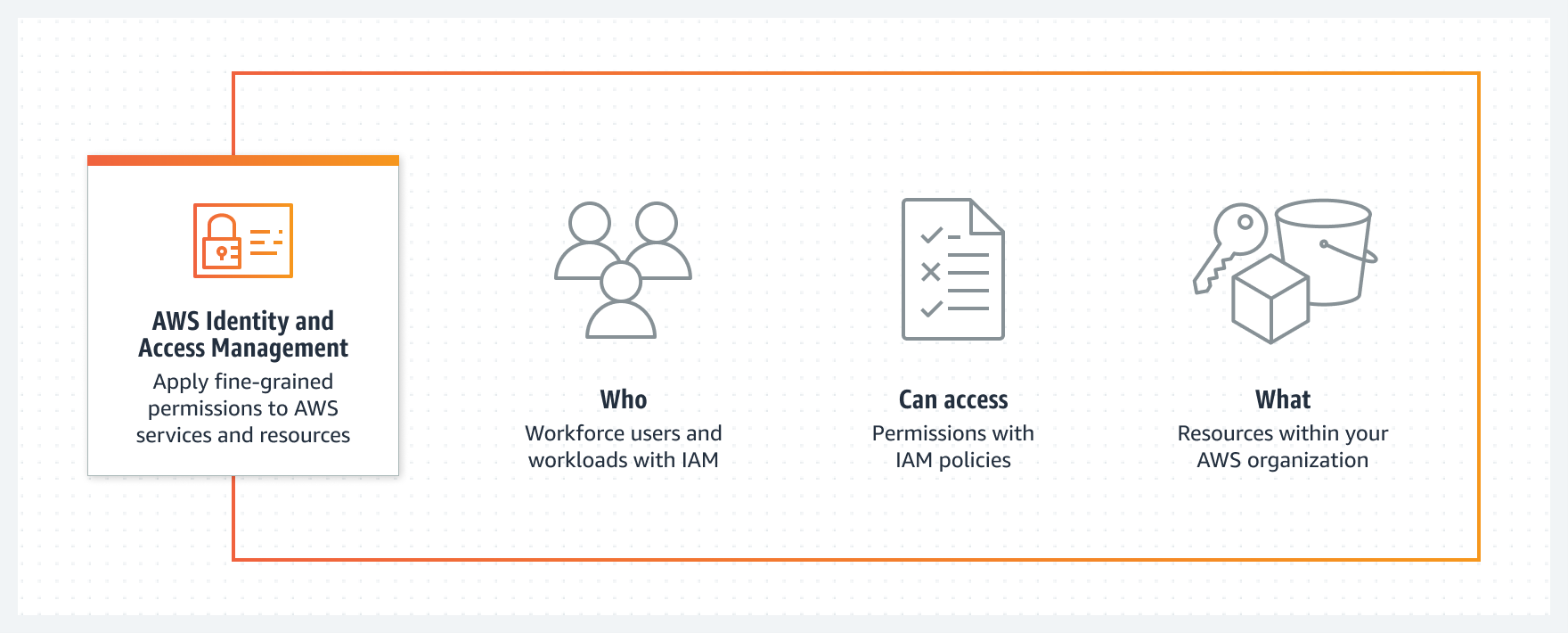
- IAM stands for Identity and Access Management.
- It is a security web service Offered by AWS, to ensure that users get to access resources at appropriate level of permissions.
- It offers shared access, deals with user and group level accesses.
- It also controls centralized and granular level access.
2. AWS WAF
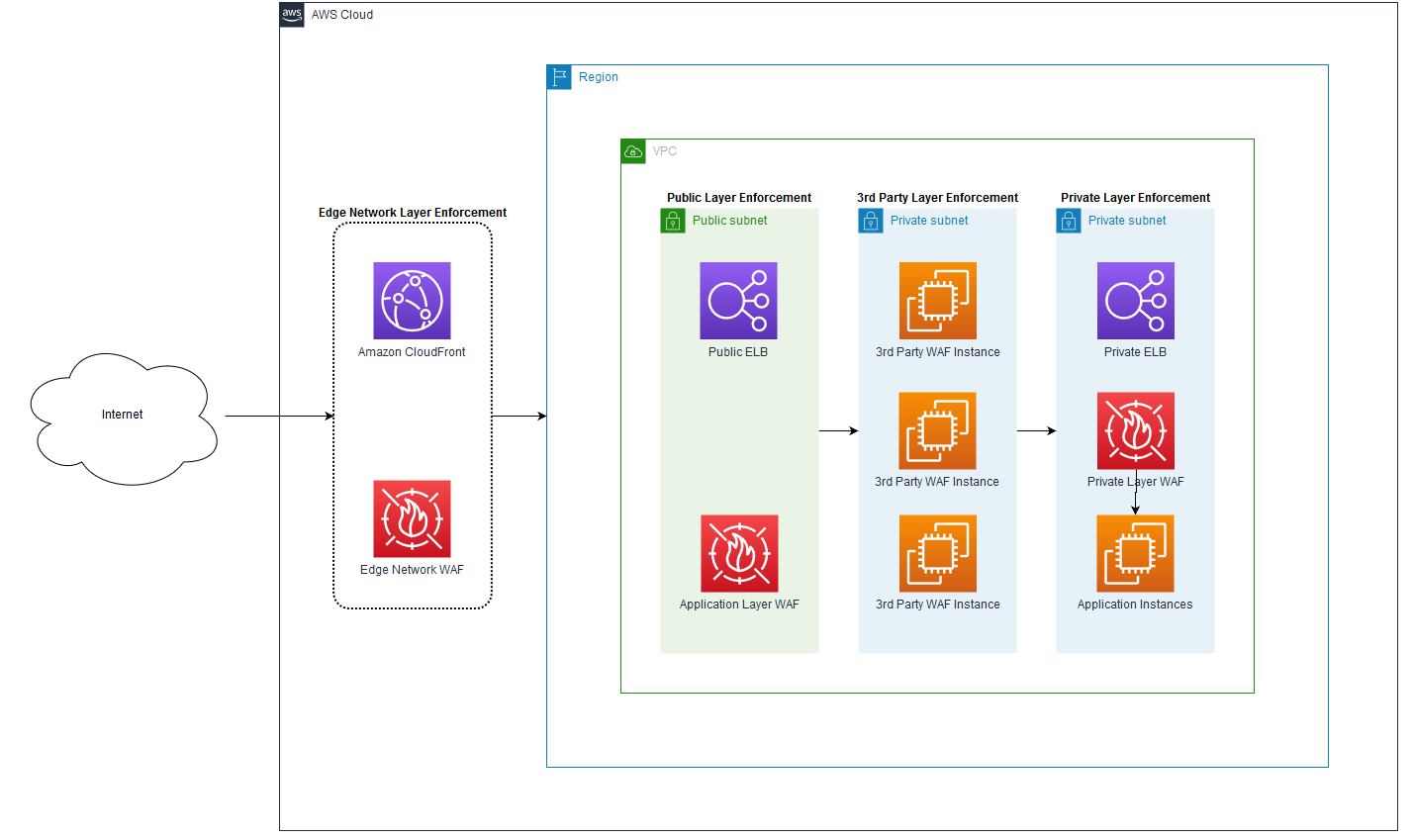
- WAF stands for Web Application Firewall.
- WAF protects the web application by filtering, monitoring, and blocking any malicious HTTP/s traffic that might penetrate the web application.
- A WAF acts as a shield between a web application and the internet.
3. AWS KMS
- KMS stands for Key Management Service.
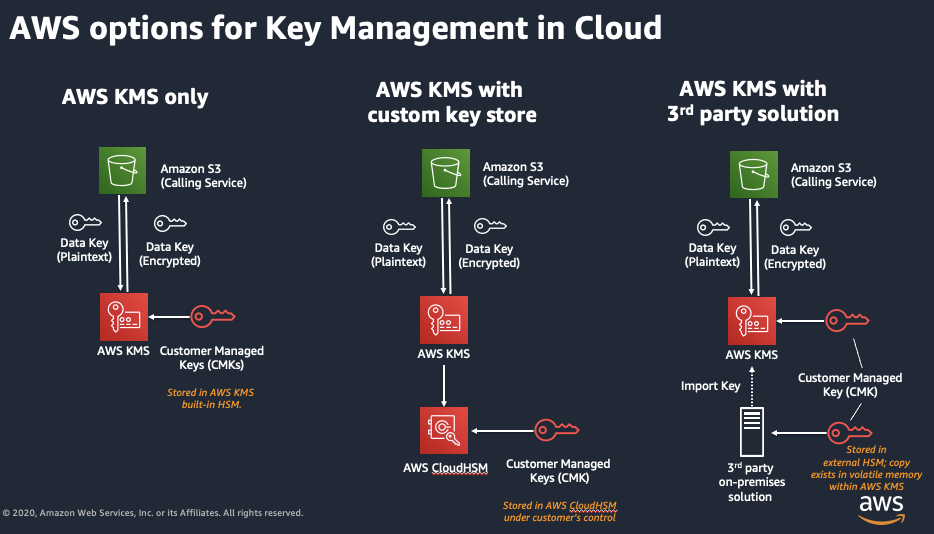
- It is a managed service that makes it easy for you to create and control the cryptographic keys that are used to protect your data.
- With KMS you can safely encrypt data that moves over the AWS cloud platform network.
- Your keys are also kept safe by using hardware security modules.
4. AWS Shield
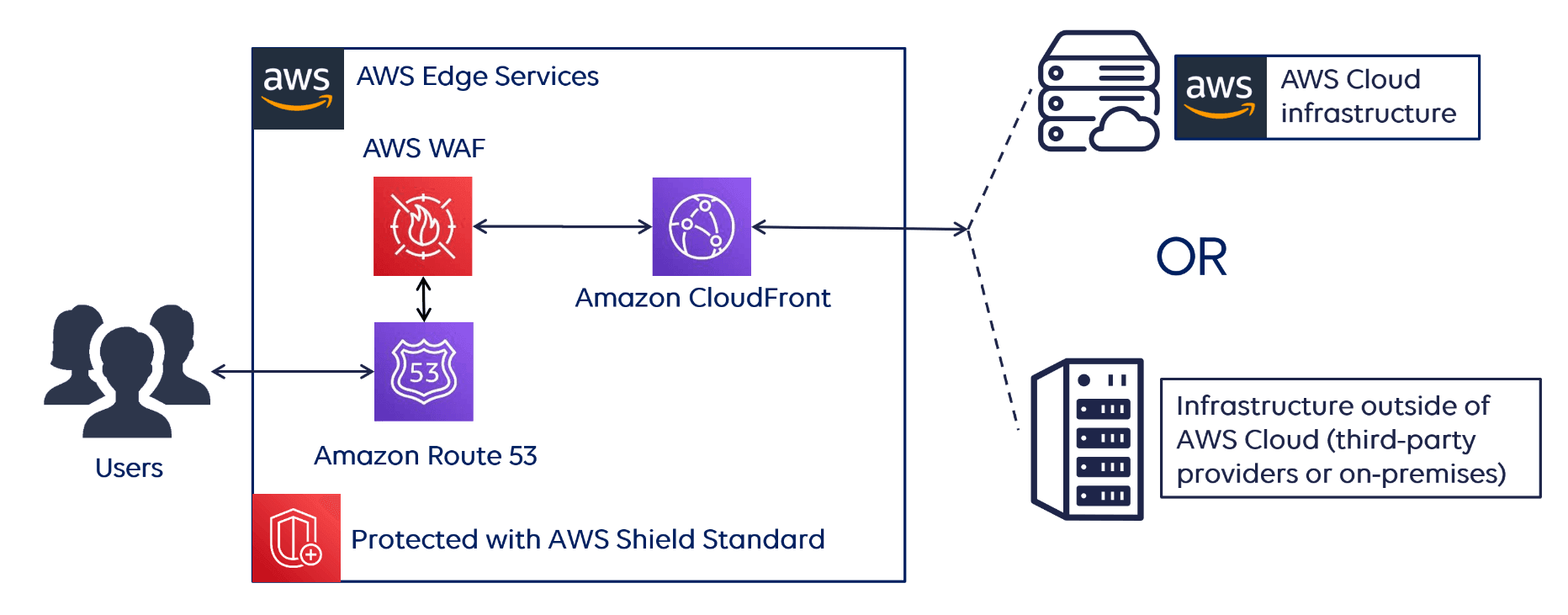
- It is a managed DDOS ( Distributed Denial of Service) protection service that safeguards applications running on AWS.
- It comes with two levels of protection.
(i) AWS Shield Standard
(ii) AWS Shield Advanced
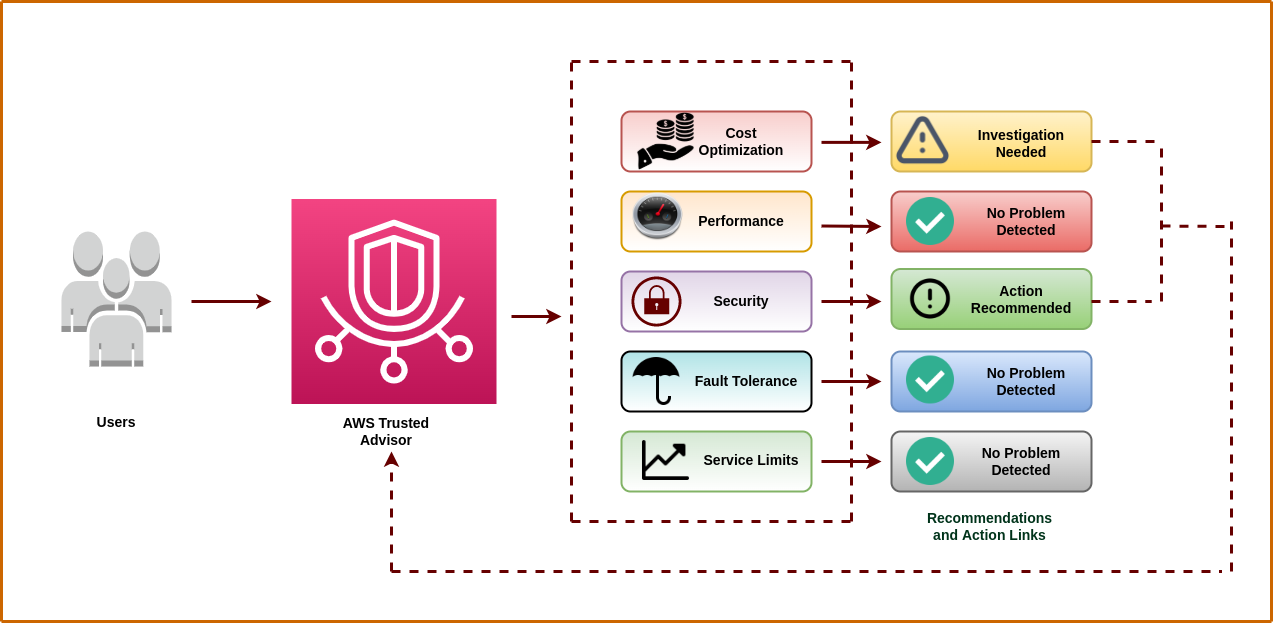
5. AWS Trusted Advisor
- Trusted Advisor acts as an inspector in your AWS environment to make recommendations that helps in saving money, improvise system performance , or close security gaps.
So this is the article/blog. I hope you find it informative and helpful. If you like it please follow , like and share. I will keep writing informative blogs related to DevOps. Please give your feedback in the comments and checkout my other articles as well. Thank You !!!!


